

🌌 Lockheed Martin Reveals Top 10 Space Technology Trends for 2025
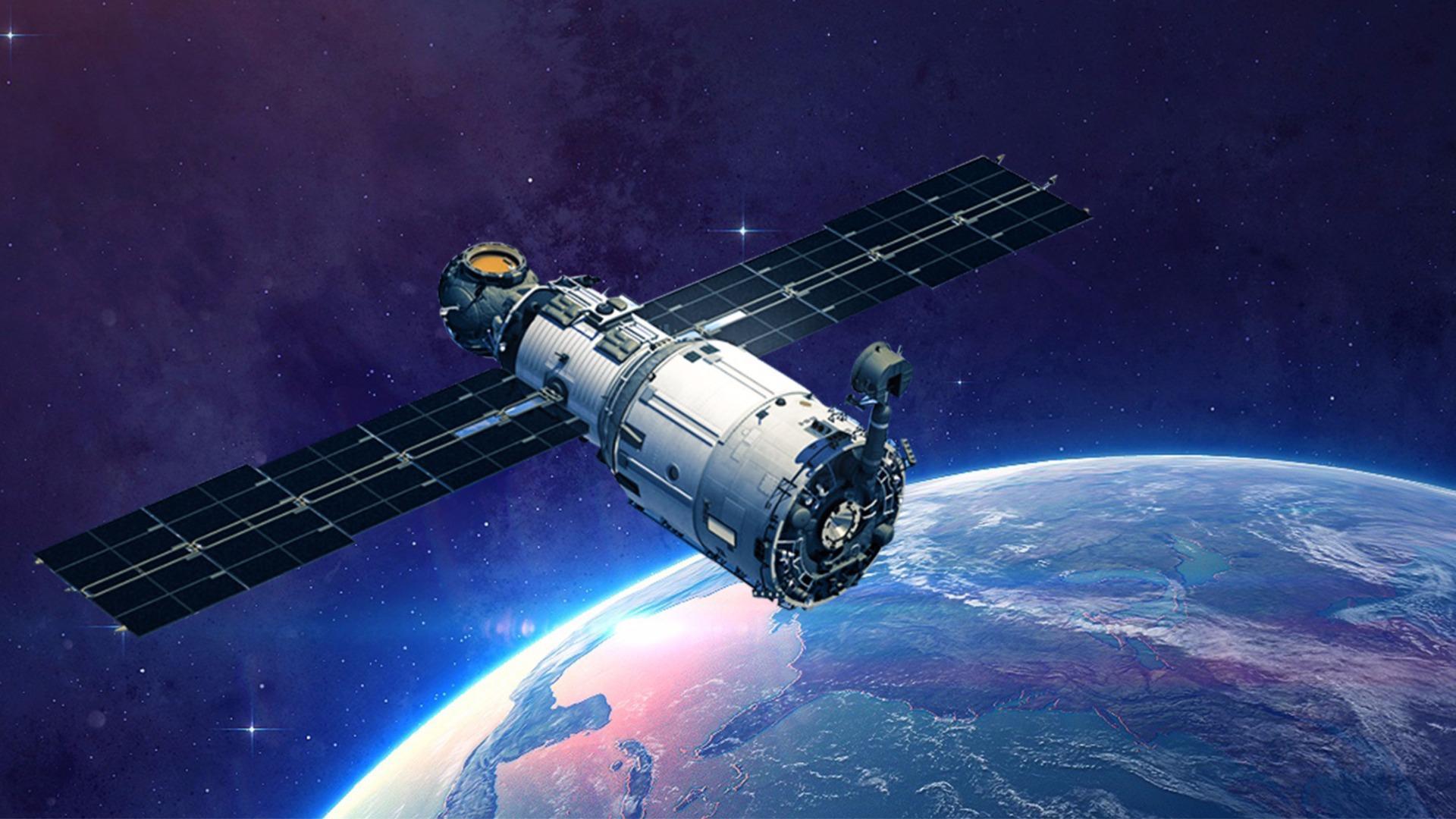
Image Credit: Lockheed Martin / Concept Art
April 2025 — Bethesda, Maryland — Global aerospace giant Lockheed Martin has released its annual forecast highlighting the Top 10 Space Technology Trends shaping the future of orbital operations, satellite systems, and planetary exploration. From quantum sensing to self-healing spacecraft, these trends reveal the direction of the next space race — and why the U.S. is betting big on innovation.
🚀 The 10 Most Disruptive Space Tech Trends in 2025
Here’s a breakdown of the key advancements Lockheed is prioritizing:
1. AI-Driven Autonomous Spacecraft
Spacecraft are evolving from manually controlled to AI-guided systems that can:
-
Navigate independently
-
Self-correct orbital paths
-
Adjust trajectories during re-entry
AI now allows real-time problem solving without Earth-based intervention.
2. Smart Satellite Constellations
Lockheed is investing in modular, networked satellites that can:
-
Collaborate in clusters
-
Share data mid-orbit
-
Replace each other if one fails
These constellations will support everything from space-based internet to global weather tracking.
3. In-Orbit Manufacturing & Assembly
Forget launching entire satellites. Now, parts can be 3D printed in space and assembled in orbit — reducing costs and launch weight.
This enables:
-
Fast deployment
-
Repairs on the fly
-
Custom-built systems for deep-space missions
4. Quantum Communication for Ultra-Secure Data
Using the principles of quantum entanglement, data can be transmitted with zero risk of interception.
This will revolutionize:
-
Military-grade satellite comms
-
Deep-space coordination
-
Data integrity in planetary missions
5. Radiation-Resistant Materials
Radiation shielding has become smarter. New meta-materials protect equipment and astronauts from:
-
Solar flares
-
Deep-space gamma rays
-
Long-term low-Earth orbit exposure
6. Self-Healing Spacecraft Systems
Inspired by biology, spacecraft now feature self-repairing components — micro-sensors that detect damage and autonomously trigger repairs using smart polymers or backup circuits.
7. Space-Based Solar Power Stations
Lockheed is researching orbiting stations that beam solar energy back to Earth via microwave or laser, offering:
-
Unlimited, clean energy
-
Power to remote regions
-
Less dependency on Earth-bound infrastructure
8. Lunar Infrastructure and Fuel Depots
As part of the Artemis missions, Lockheed is planning to support:
-
Lunar bases
-
In-orbit fuel stations
-
Recyclable cargo vessels for resupply
These will reduce mission costs and increase sustainability.
9. Orbital Debris Removal Systems
AI-controlled spacecraft are being designed to identify and eliminate space junk — a growing threat to satellites and missions.
Lockheed is working on:
-
Robotic arms
-
Laser deflection
-
Tether-and-drag tech
10. Planetary Defense & Asteroid Redirection
One of the boldest areas is planetary protection — developing spacecraft that can intercept or redirect near-Earth objects (NEOs) before impact.
Think: real-life Armageddon, but with AI and physics, not oil drillers.
🌍 Why It Matters to the World
These trends aren’t just about space. They drive innovation in:
-
AI and robotics
-
Materials science
-
Telecommunications
-
Energy infrastructure
-
Climate monitoring
Lockheed's research feeds into commercial and public tech that impacts everyday life on Earth.
🧠 Final Word
With its focus on innovation, sustainability, and deep space, Lockheed Martin’s 2025 vision proves that space technology is no longer just science fiction — it’s the new frontier of science, industry, and global security.
